Effective Altruism (EA) is a movement trying to invest time and money in causes that do the most possible good per some unit investment. EA was at one point called optimal philanthropy.of effort. The label applies broadly, including a philosophy, a community, a set of organisations and set of behaviours. Likewise it also sometimes means how to donate effectively to charities, choose one's career, do the most good per $, do good in general or ensure the most good happens. All of these different framings have slightly different implications.
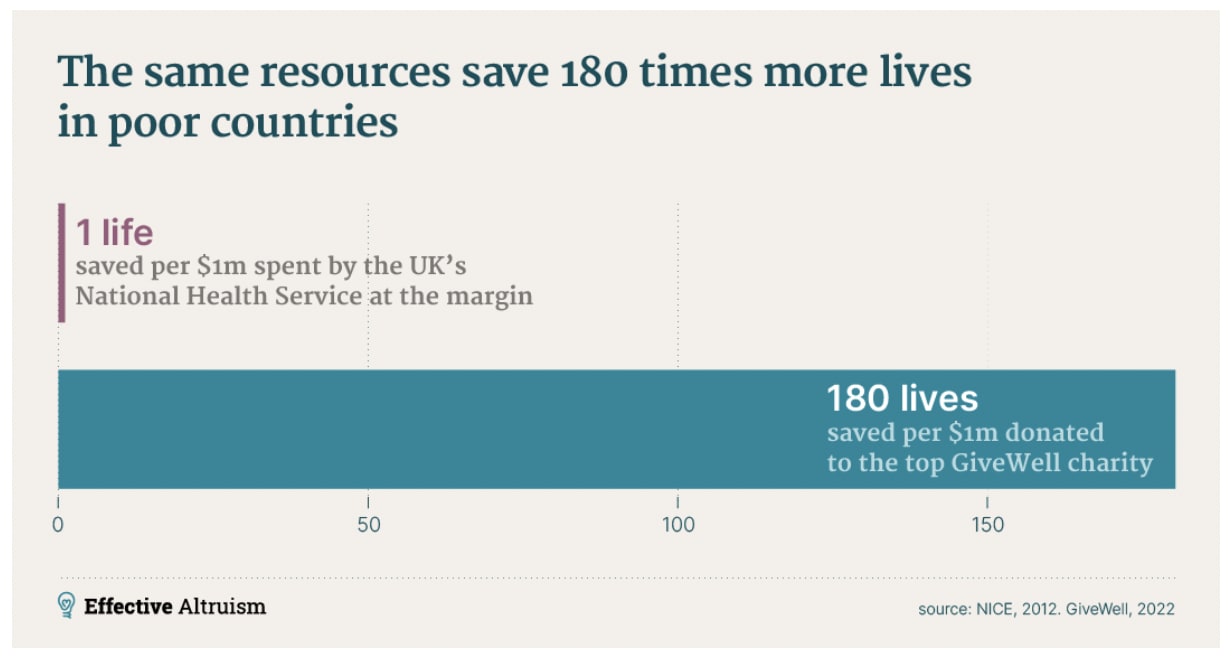
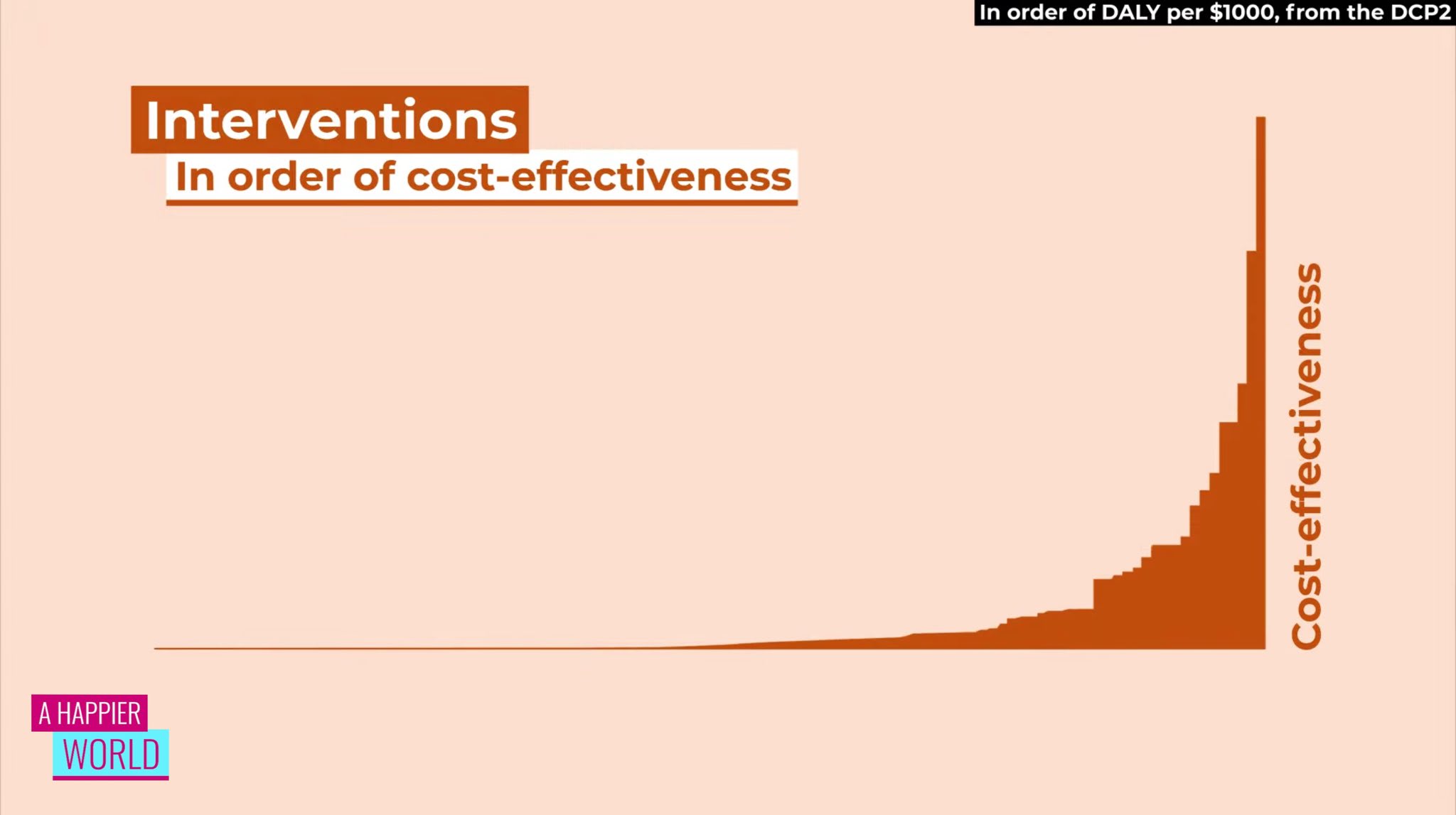
The basic concept behind EA is that youone would really struggle to donate 100 times more money or time to charity than you currently do but, spending a little time researching who to donate to could have an impact on roughly this order of magnitude. The same argument works for doing good with your career or volunteer hours.
It is not clear why, under many moral systems we should care more about people who are in our country than to those who aren't. But those who are in developing nations can be helped about 100x more cheaply than those in the US.
On a deeper level, EAs say that species is not the marker of moral worth. If we had evolved from dolphins rather than apes, would we be less deserving of moral consideration? If this logic follows, it implies significant low-cost opportunities to improve welfare.
EA is incoherent. Consequentialism applies to one's whole life, but many EAs don’t take it this seriously
This argument applies to virtue ethics too, but no one criticises it - “why aren’t you constantly seeking to always do the virtuous action”. People in practice seem to take statements from consequentialist philosophies more seriously than they do from others
It is more intellectually honest to surface incoherence in your worldview - "I use 80% of my time as effectively as possible" is more honest that "I try and always do the most good
EA frames all value in terms of impact creation and this makes members sad[4]
How widespread is this?
Many EAs don't feel this way
Some people control orders of magnitude more resources than others. They could use their time and money to improve the lives of many other people. It is not idea to say these people should feel free to not create benefit
EA supports a culture of guilt [Kerry thread]
How does EA compare in terms of mental wellbeing to other communities centred around "doing good" eg "Protestant Work Ethic" and "Catholic Guilt"?
If you struggle with this, consider readingReplacing Guilt, which is one of only 3 sequences with a permanent place sidebar of the EA Forum.