This is a special post for quick takes by Richard_Ngo. Only they can create top-level comments. Comments here also appear on the Quick Takes page and All Posts page.
Comment Permalink
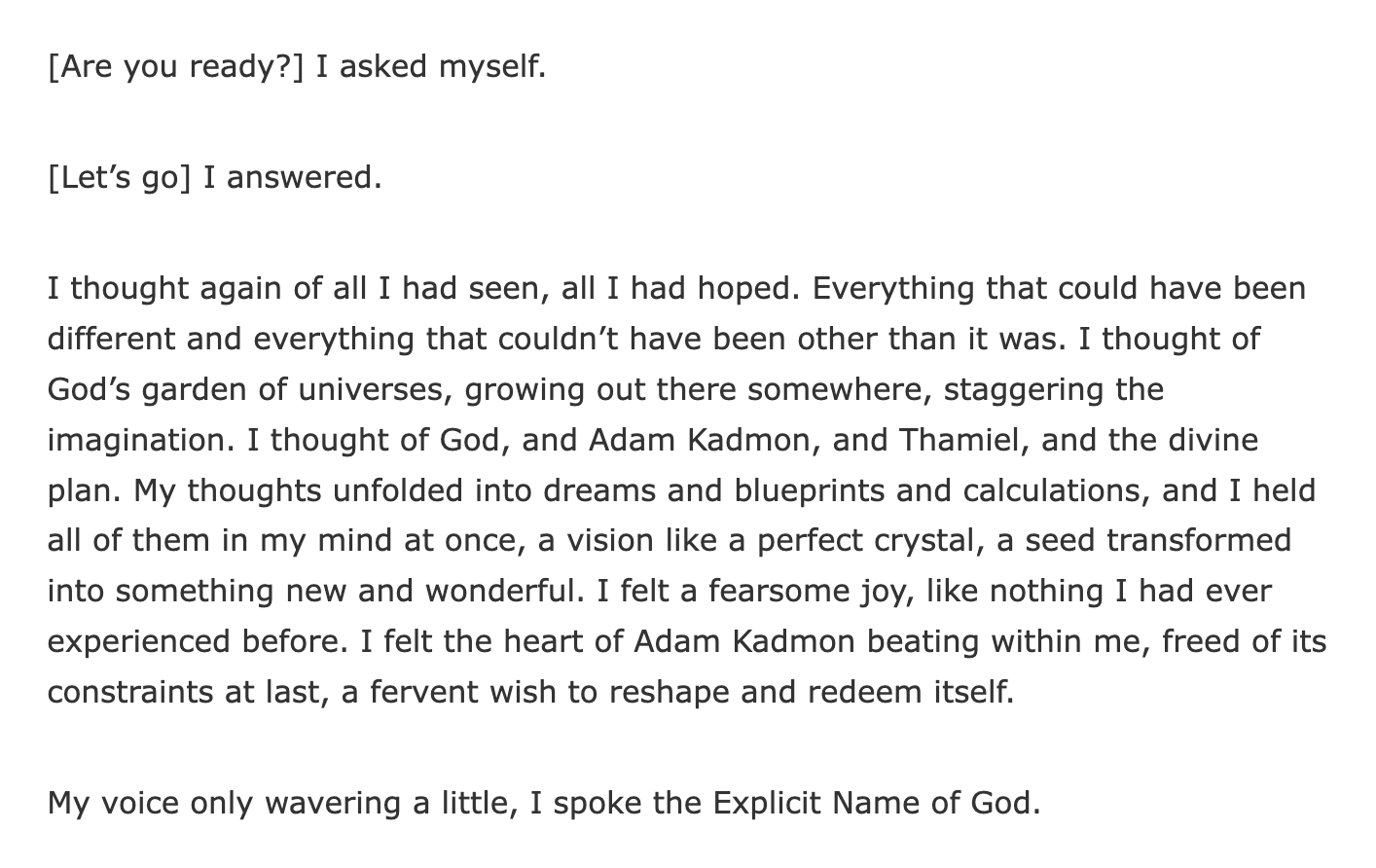
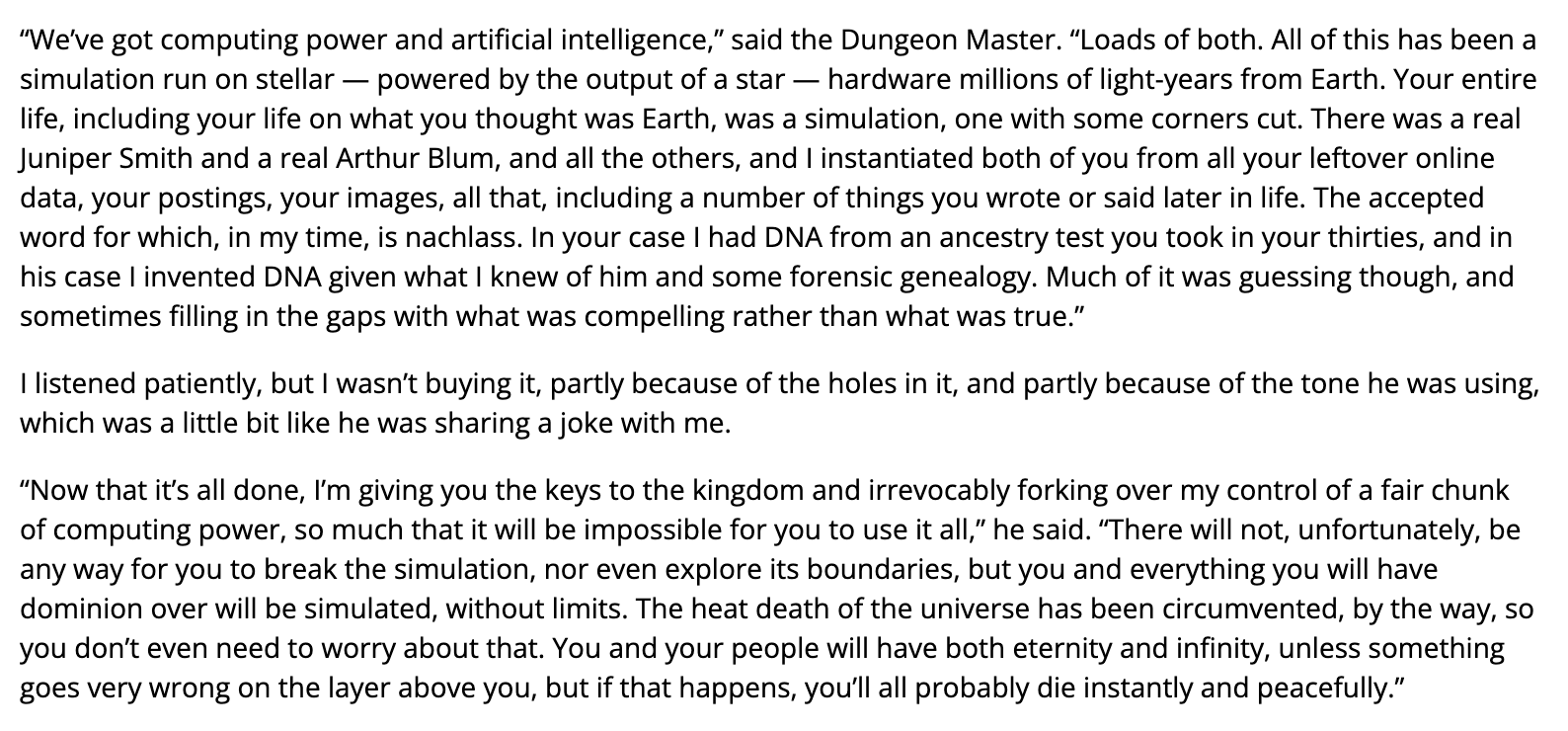
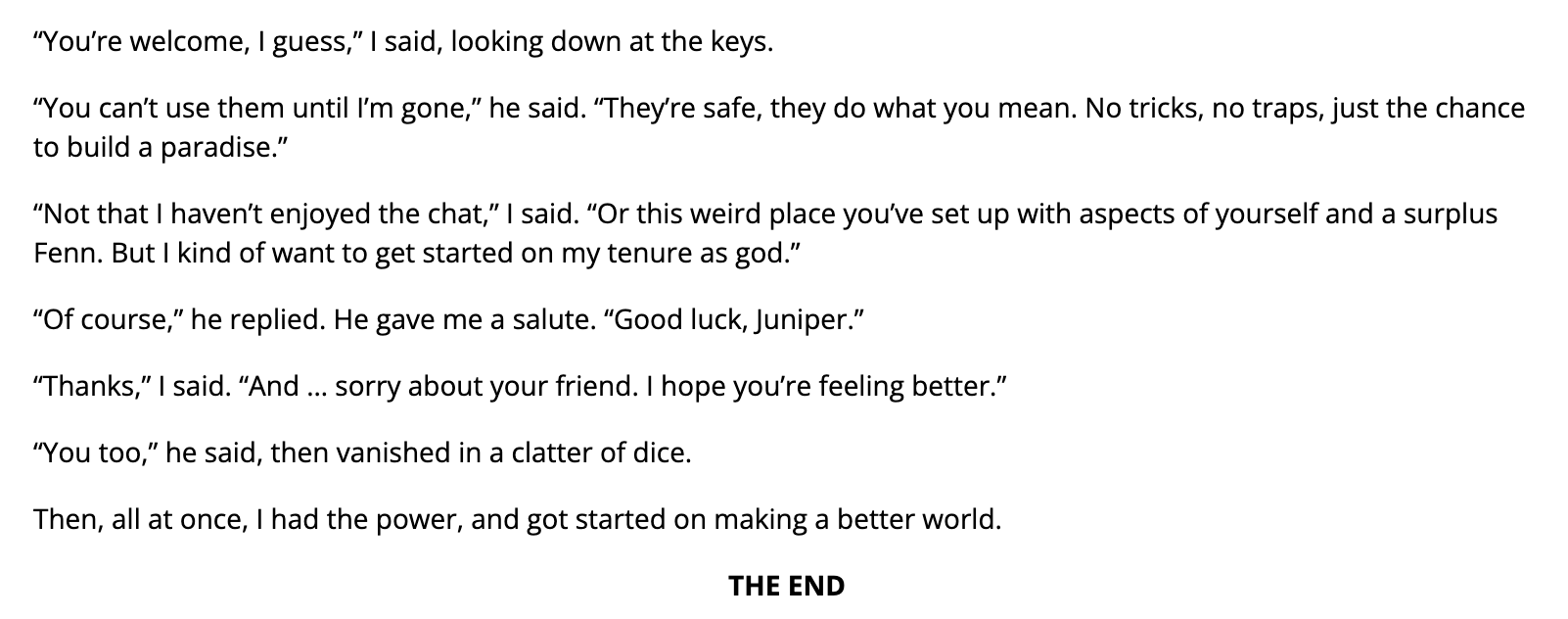
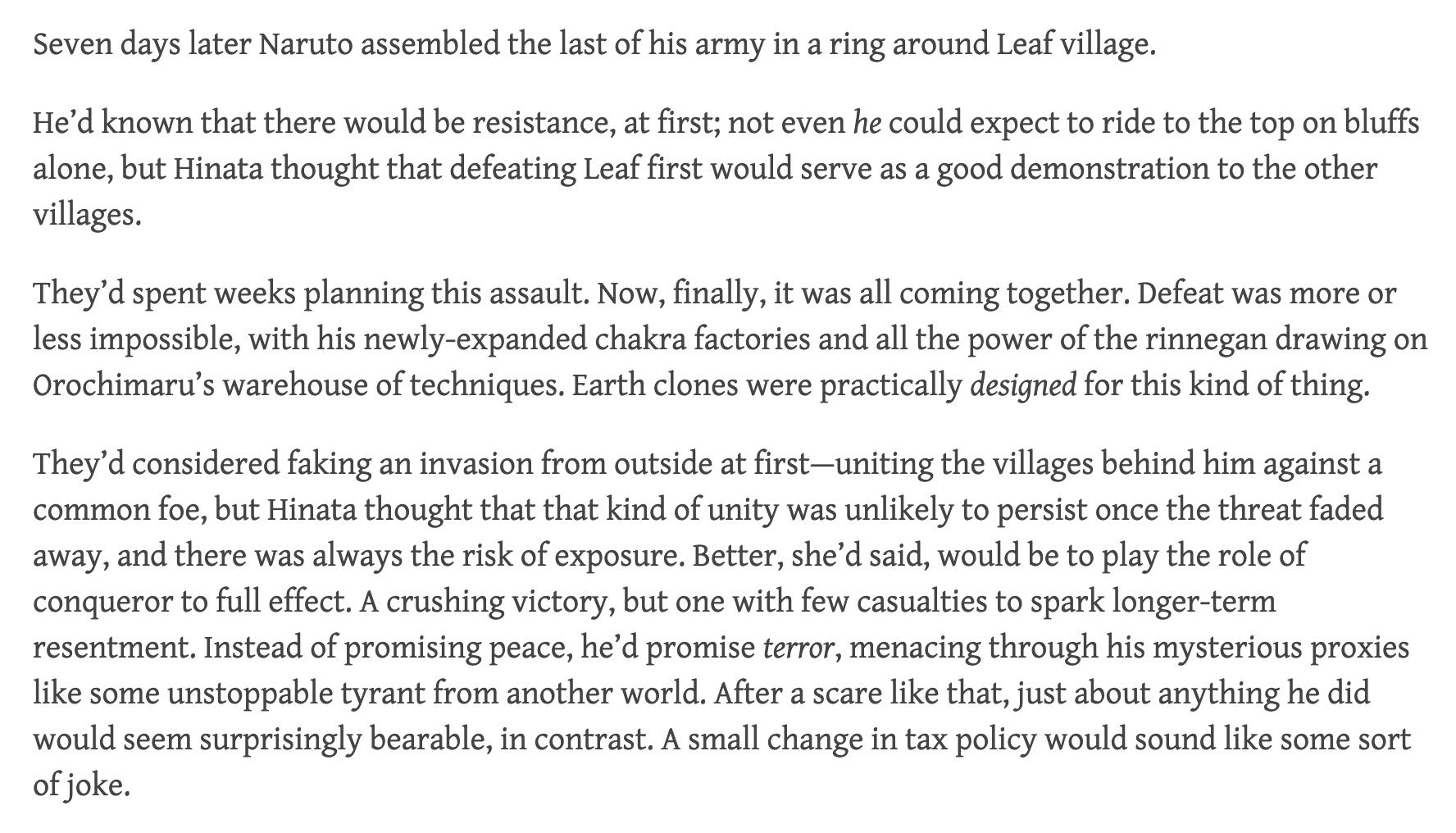
There's a strong pattern in ratfic of the protagonist "winning" by gaining the power to design a new world order from scratch—i.e. taking over the world. It's a very High Modernist mindset (as I pointed out in a recent tweet). And once you see how crucial this is to the rationalist perspective on what a good future looks like, it's hard to unsee.
You might respond: the worlds these protagonists find themselves in are usually so bad that seizing absolute power is in fact the most ethical thing to do. But the worlds didn't have to be that bad! The writers chose to design them that way—I expect in significant part because that provides a narratively compelling backdrop for the thing they wanted to write about, which was their heroes taking over the world.
From my current perspective, this feels ominous in a kinda similar way as if I read a bunch of Marxist fiction from the 1800s and noticed that it always ended in a communist revolution.
Spoilers for a range of ratfic (unfortunately telling you which ratfic itself constitutes a spoiler):
EDIT: the spoiler tags seem not to be working on the images. Mods, can you help? For now I'll add a bunch of space below. Expect many spoilers if you scroll down.
Unsong:
Worth the Candle:
The Waves Arisen:
r!Animorphs: The Reckoning
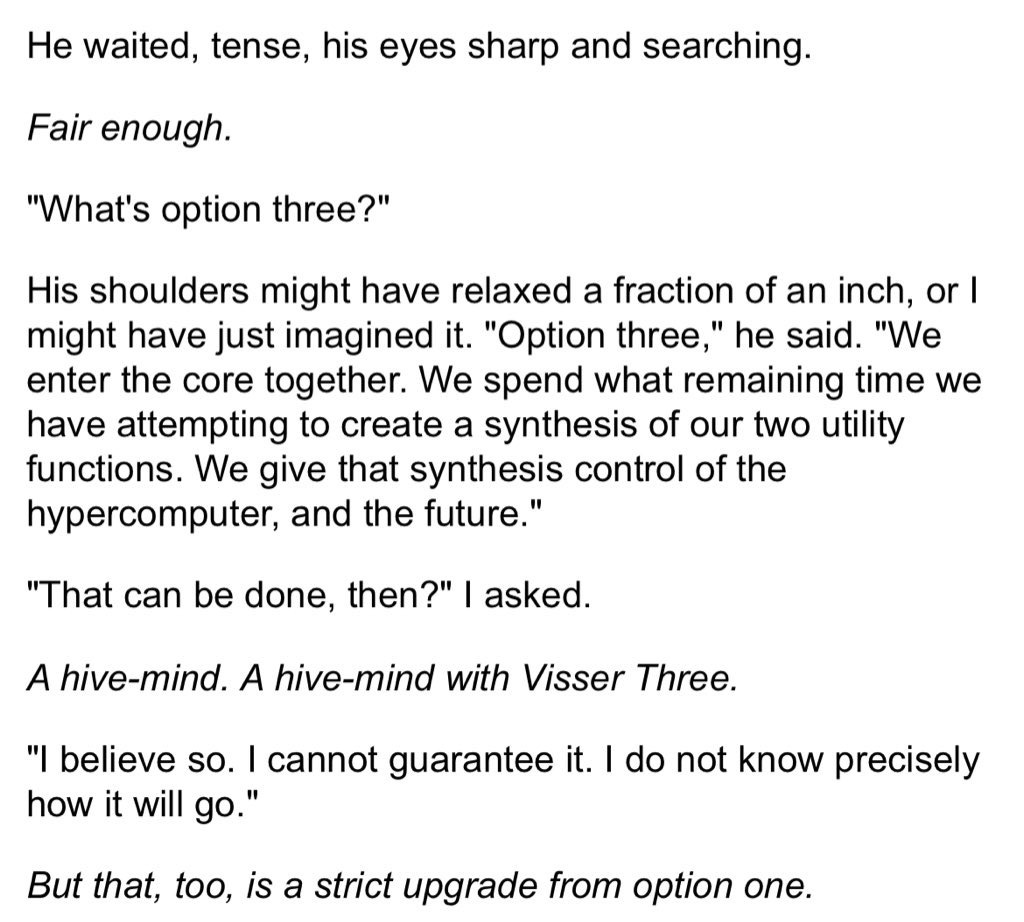
Project Lawful:
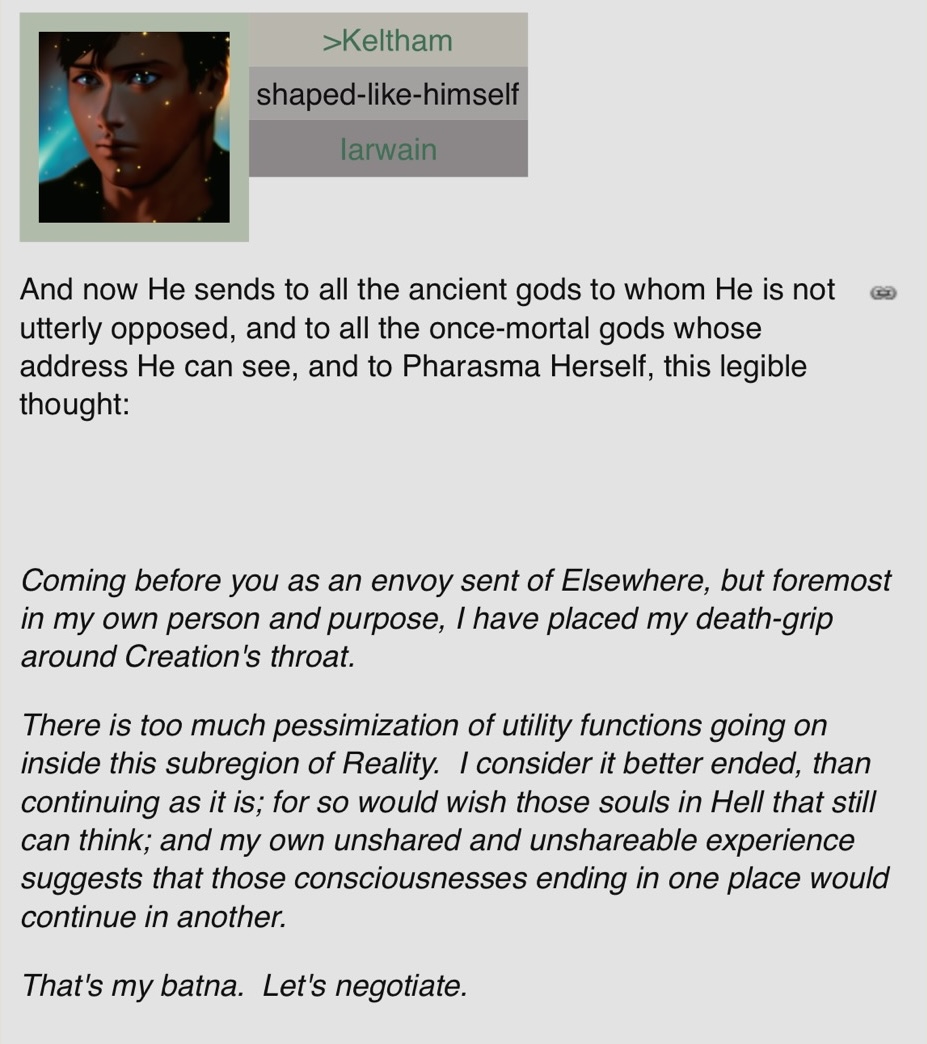
And some examples which (at least partially) subvert this trope:
Friendship is Optimal and Branches on the Tree of Time both involve world takeovers with some tension about how good or bad they are. In the former case, that tension is the main thrust of the story. In the latter case, it's a bit more ambiguous: the ending sure seems pretty ominous, but it's also exactly what the heroes were aiming for, and I'm not noticing much authorial prompting to question their reasoning.
The Metamorphosis of Prime Intellect is much more explicit about the "taking over the world" thing being bad. But it also came out in the 90s. Interesting that (to my knowledge) no rationalist has written a story which is so straightforward about the downsides of a well-intentioned world takeover.