This is a special post for quick takes by lilkim2025. Only they can create top-level comments. Comments here also appear on the Quick Takes page and All Posts page.
Lots of Youtubers seem to have agreed that it's a good point of comparison, though their approach has been far from scientific. Rather than providing a prompt and getting a result, they tend to just talk to each model through the chat interface.
More scientifically, there are now arena.ai - style leaderboards for AI gamedev. The most functional one is provided by designarena, here.
The agentic gamedev leaderboard is still a little sparse, but shows a wide gap for Anthropic. Even Sonnet outperforms Sol by a substantial margin. Anthropic's RLVR suite for software engineering is, I suspect, substantially better than their competitors in subtle ways that benchmarks generally don't catch.
HTML, in which agents output a single file, is much more even. Fable and Sol are tied, GLM 5.2 is on the cost-quality frontier, and Chinese models dominate the lower-cost range.
I'm not intimately familiar with Godot, but Grok and Fable do way better than almost anyone else. I'd suspect this is more due to sparse data than anything else.
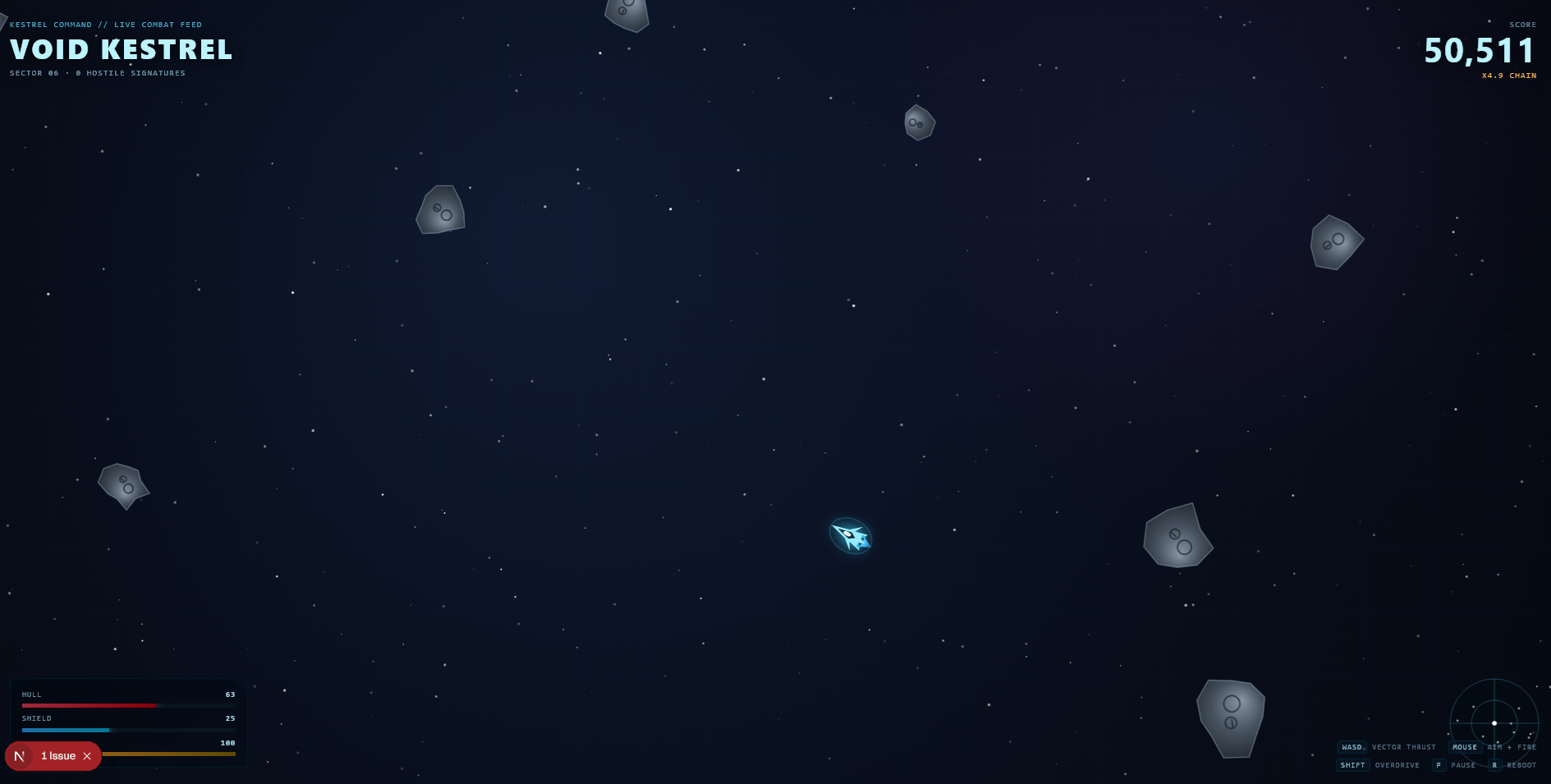
In my own experience, LLMs can oneshot decent prototypes for a lot of things now. Even entirely new concepts that wouldn't have been in the training set. Gone are the days when "build Snake/Winter Bells/tower defense" was the gold standard.
Also, incidentally, I was very surprised to find that the newest OpenAI release, Sol, still performs worse than the demo cited in my original post despite the huge progress made in that timespan. When given the same prompt, on high effort, GPT-5.6 Sol produces an Asteroids clone that is unremarkable even by the standards of Asteroids clones.