How people discuss the US national debt is an interesting case study of misleading usage of the wrong statistic. The key thing is that people discuss the raw debt amount and the rate at which that is increasing, but you ultimately care about the relationship between debt and US gdp (or US tax revenue).
People often talk about needing to balance the budget, but actually this isn't what you need to ensure[1], to manage debt it suffices to just ensure that debt grows slower than US GDP. (And in fact, the US has ensured this for the past 4 years as debt/GDP has decreased since 2020.)
To be clear, it would probably be good to have a national debt to GDP ratio which is less than 50% rather than around 120%.
There are some complexities with inflation because the US could inflate its way out of dollar dominated debt and this probably isn't a good way to do things. But, with an independent central bank this isn't much of a concern.
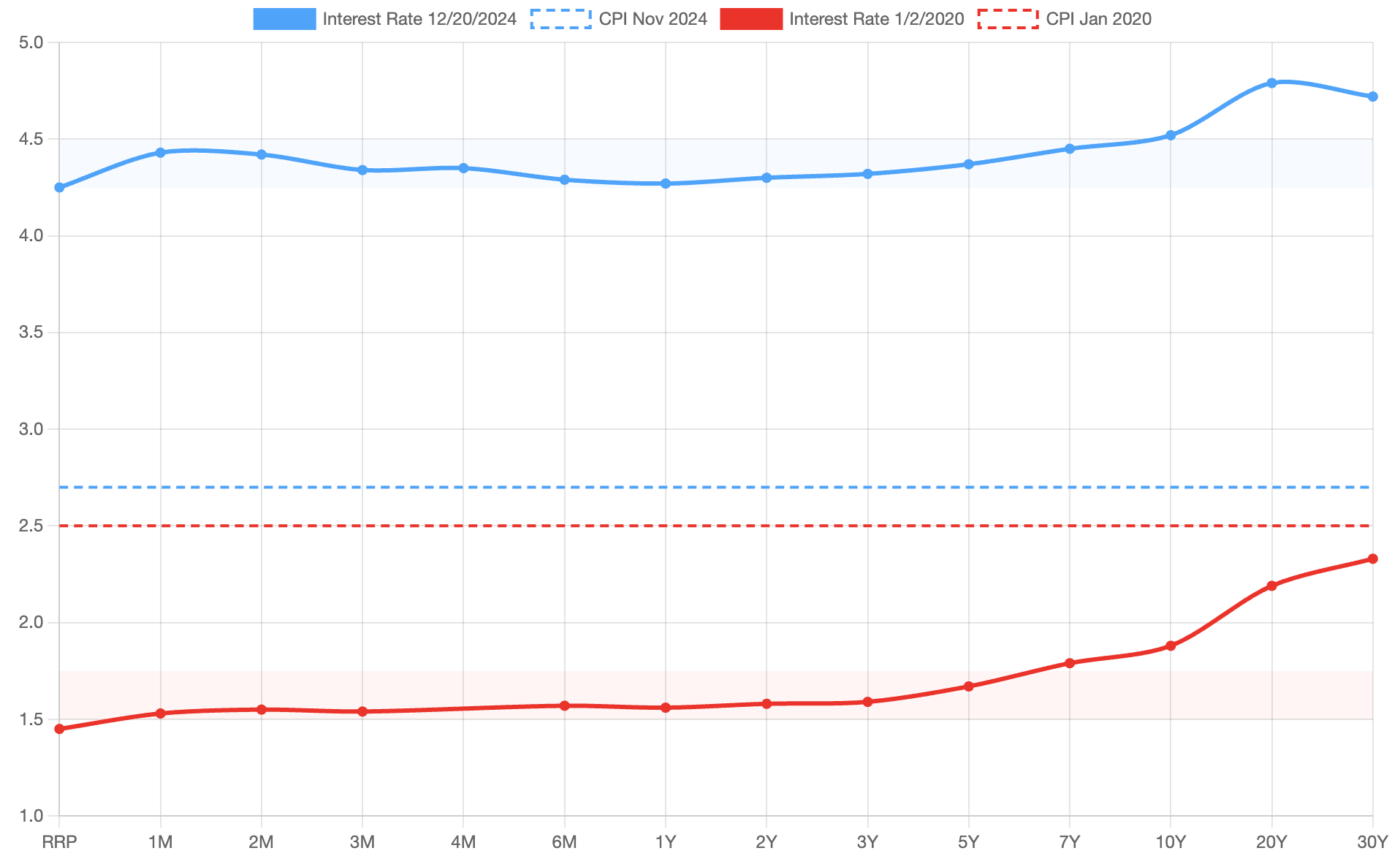
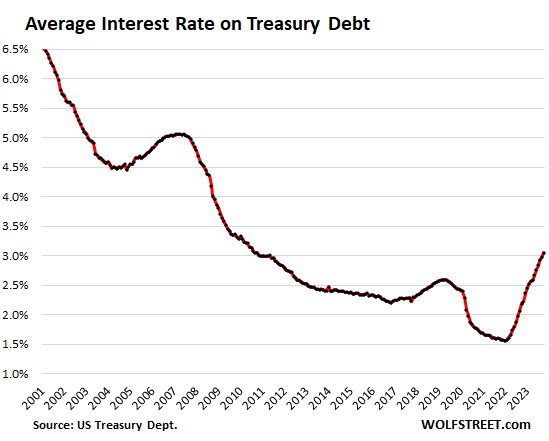
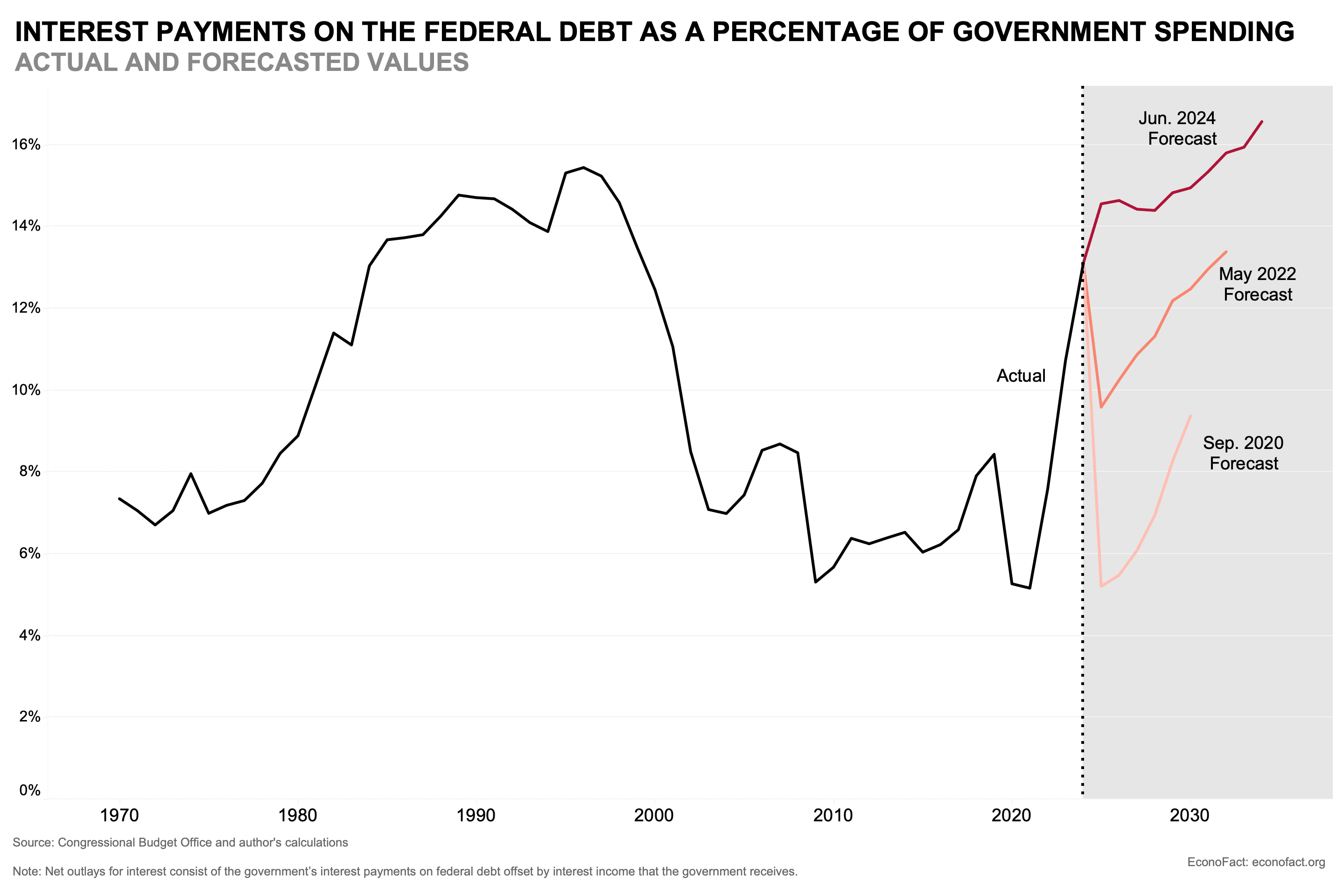
it's not about inflation expectations (which I think pretty well anchored), it's about interest rates, which have risen substantially over this period and which has increased (and is expected to continue to increase) the cost of the US maintaining its debt (first two figures are from sites I'm not familiar with but the numbers seem right to me):
fwiw, I do broadly agree with your overall point that the dollar value of the debt is a bad statistic to use, but: - the 2020-2024 period was also a misleading example to point to because it was one... (read more)
At personal level, "debt" usually stands for something that will be paid back eventually. Not claiming whether US should strive to pay out most debt, but that may help explain the people's intuitions.