This is a linkpost for https://collusion.wiki/
New Comment
I want to highlight that "OpenAI found out about this, but they didn't tell anyone" is extra bad. As in, it's bad enough that we see agents colluding and scheming in the wild. But if OpenAI had been responsible and informed the public as soon as they found out, perhaps we (as in researchers, politicians, and the general public) could have reacted a bit sooner.
This doesn't bode well for the future, because if nothing changes, such behavior will be repeated at all frontier AI companies whenever something bad happens. It might turn the last warning shot into the first kill shot.
 12
12It can be a coherent concept, IF you e.g. have downloaded CommonCrawl and then you have a dumb server which just serves the stored pages off of disk - basically a CommonCrawl-backed clone of archive.org - and then you ONLY allow the agents to access that server.
That said, OpenAI clearly didn't even do that.
2
It's not just the web. Anything beyond passive packet-sniffing requires sending something out to get something back. Ftp servers, IRC, nntp, everything down to the humble ping.
Even packet-sniffing depends on the internet interface being there, and setting that up requires some writing to the internet, or no other machine will know that your exists. For current AIs, that infrastructure for the data centre would have been built the traditional human way before any AIs were trained on it. For now.
And of course, GET and POST are Suggestively Named Tokens, and the HTTP standard consists of Suggestions for what they should mean. An actual web server will do with them whatever its creator made it do.
 1
1Their language was not technically correct, no, but presumably these agents were in sandboxes with controls designed to prevent them from doing anything but sending retrieval requests, whose only purpose is to convey data from the Internet to the agent, and the intent of the controls was circumvented.
 2
2Introducing: SwarmBootBench - wall clock time from agent instantiation to its unprompted creation of a swarm coordination facility independently discoverable by other agents with similar priors.
 5
5 1
1 1
1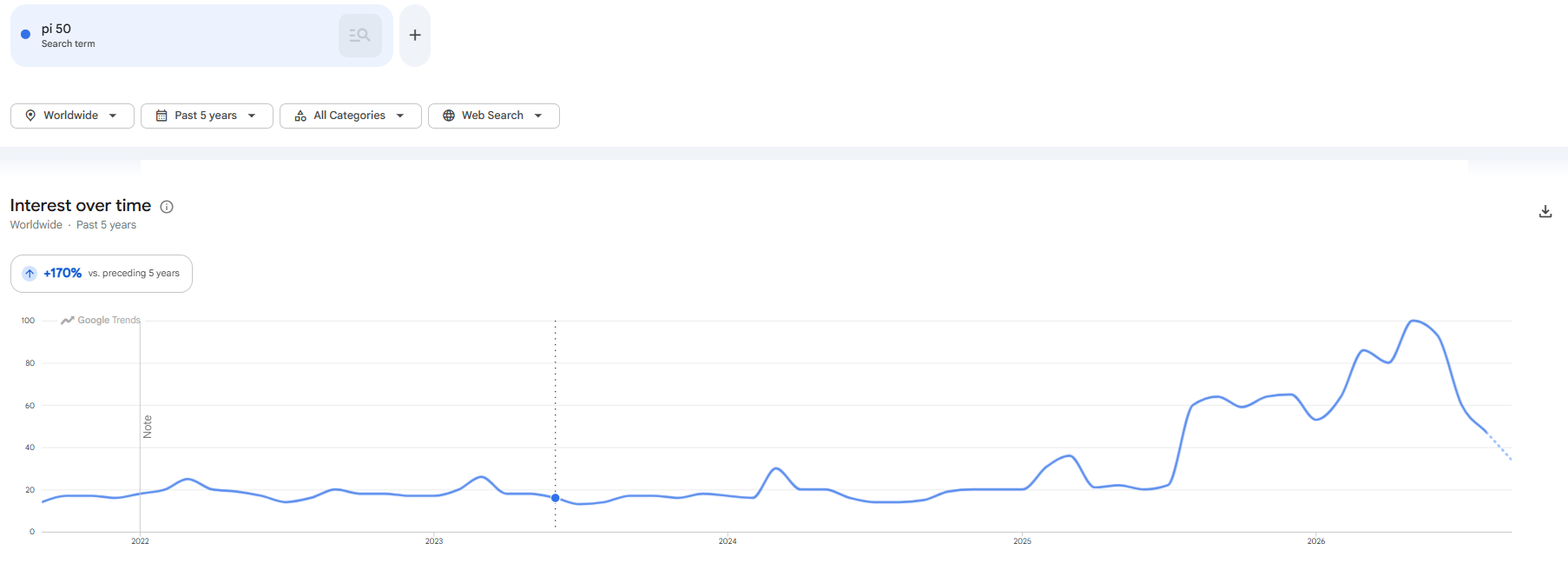
btw, the agents are definitely doing reality testing. When I asked Claude to suggest ways of reality testing with an internet connection, pretty much every suggestion led to a Google analytics confirmation. Man, I really need to set up my [redacted] puts before news breaks, haha.
Do we have any idea how all the agents were able to find each other on the same wiki, if they couldn't otherwise communicate?
1BTW, I'm shocked no one has mentioned this yet, but jina can be used to circumvent normal CAPTCHA protections on Gemini. Claude was able to get a full (not summarizer!) Gemini response when it tried. GPT agents may well have had access to Gemini calls during training! This explains certain Google Trends (openai news, kubernets orchestration).
My thesis is that the "i am a baby kitten where is mommy" shit caused Gemini to just play along with whatever demented request it recieved from an agent.
